Skip to content

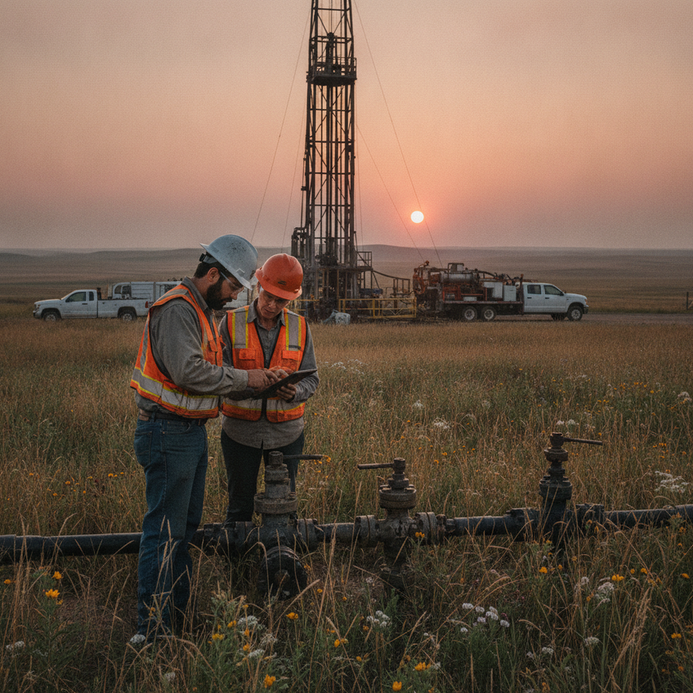
Ever wondered how oil gets from deep underground to the gas station or your home? The answer often involves a process called oil fracking. Oil fracking has changed the way we access oil and natural gas in the last few decades, making energy more available and affordable. In this guide, you’ll learn what oil fracking is, how it works, why it’s important, and some key things to consider if you’re interested in the energy sector.
Understanding Oil Fracking: The Basics
Oil fracking, short for hydraulic fracturing, is a method used to extract oil and natural gas from rock formations deep below the Earth’s surface. The process involves pumping a mix of water, sand, and a small amount of chemicals into the ground at high pressure. This pressure creates tiny cracks, or fractures, in the rock. The sand keeps these cracks open, letting oil and gas flow out so they can be collected at the surface.
Fracking has been around in some form since the late 1940s, but it really took off in the early 2000s when new technology made it possible to reach oil and gas locked in shale rock. Today, oil fracking is a big part of how the United States and other countries produce energy.
How Oil Fracking Works: Step-by-Step
Oil fracking might sound complicated, but the steps are pretty straightforward once you break them down.
- A well is drilled deep into the ground, often going down a mile or more, and then turning horizontal to reach more of the oil-rich rock.
- Steel and cement are used to line the well, protecting groundwater and keeping everything in place.
- A fracking fluid (mostly water, with sand and a few chemicals) is pumped into the well at very high pressure.
- The pressure cracks the rock, and the sand props open these tiny fractures.
- Once the pressure is released, oil and gas flow out of the cracks and up the well to the surface.
This method allows companies to reach oil and gas that was once impossible or too expensive to get. It’s a bit like opening up a soda bottle after shaking it, the pressure inside forces the liquid out, but on a much bigger scale.
Why Oil Fracking Matters: Benefits and Impact
Oil fracking has changed the energy game in a big way. For consumers, it’s brought more oil and gas to the market, helping keep prices stable and supplies reliable. For investors, fracking has opened up new opportunities in places that were once considered too difficult or risky.
There are a few big reasons why oil fracking is important:
- It increases the amount of oil and gas we can access, adding to the energy supply.
- It helps countries like the United States become less dependent on foreign energy sources.
- It creates jobs and boosts local economies in areas where drilling happens.
- It sometimes comes with lower carbon emissions than burning coal, especially when natural gas replaces coal in power plants.
Of course, there are trade-offs and discussions around environmental impact, but there’s no doubt that fracking has shifted the global energy landscape.
The Environmental Side of Oil Fracking
Whenever you talk about oil fracking, you have to consider its impact on the environment. The main concerns people raise are about water use, possible pollution, and the chance of causing small earthquakes.
Here’s what you should know:
- Fracking uses large amounts of water, which can be a problem in dry areas.
- If the well isn’t sealed properly, chemicals from the fracking fluid could get into groundwater.
- The process can cause minor earthquakes, though these are usually too small to feel.
Many companies, including those working with Optimum Energy Partners, are focused on using safer chemicals, recycling water, and following strict regulations to lower environmental risks. When done responsibly, fracking can be much safer for the environment, but it’s still something every investor and consumer should stay informed about.
Oil Fracking and Investing: What Should You Know?
If you’re thinking about where to put your money, oil fracking can be an interesting option. It’s not just big oil companies that benefit, there are ways for accredited investors to take part, too. Here’s what makes it appealing:
- Oil and gas investments can offer higher returns than more traditional choices, especially in a low-yield market.
- Some investments in oil and gas come with special tax benefits, like deductions for drilling costs.
- Investing in energy often means putting your money to work in real, physical assets, which can help diversify your portfolio.
Of course, like any investment, there are risks. Oil prices can go up and down quickly, and regulations around fracking can change. That’s why it’s important to work with partners who know the industry inside and out. Companies like Optimum Energy Partners help investors find opportunities that are well-researched, responsibly managed, and transparent.
The Future of Oil Fracking: Trends and Innovations
Oil fracking isn’t standing still. As energy needs grow and technology improves, the industry keeps changing. Some of the latest trends include:
- Using less water by switching to recycled fluids or even new types of “dry” fracking.
- Better monitoring technology to spot leaks or problems early.
- Stronger rules and more transparency to keep communities safe.
- A focus on reducing overall carbon emissions as part of the global shift to cleaner energy.
These innovations help make oil fracking more efficient and less risky, both for the environment and for investors. As the world looks for a balance between reliable energy and sustainability, fracking will likely keep evolving.
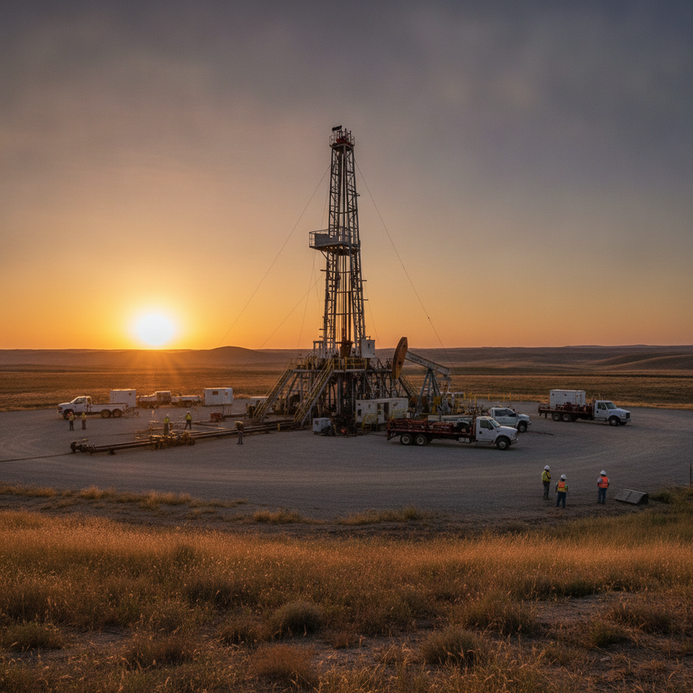
![Oil fracking rig operating in a rural landscape during sunset, showing drilling equipment and support vehicles]
Conclusion
Oil fracking is a powerful tool for unlocking energy from deep underground. Whether you’re a curious consumer or a potential investor, understanding how it works and what it means for the future is key. If you want to explore energy investment opportunities with a company that values transparency and sustainable practices, contact us to learn more.