 Skip to content

Introduction to Oil and Gas Investment Landscape
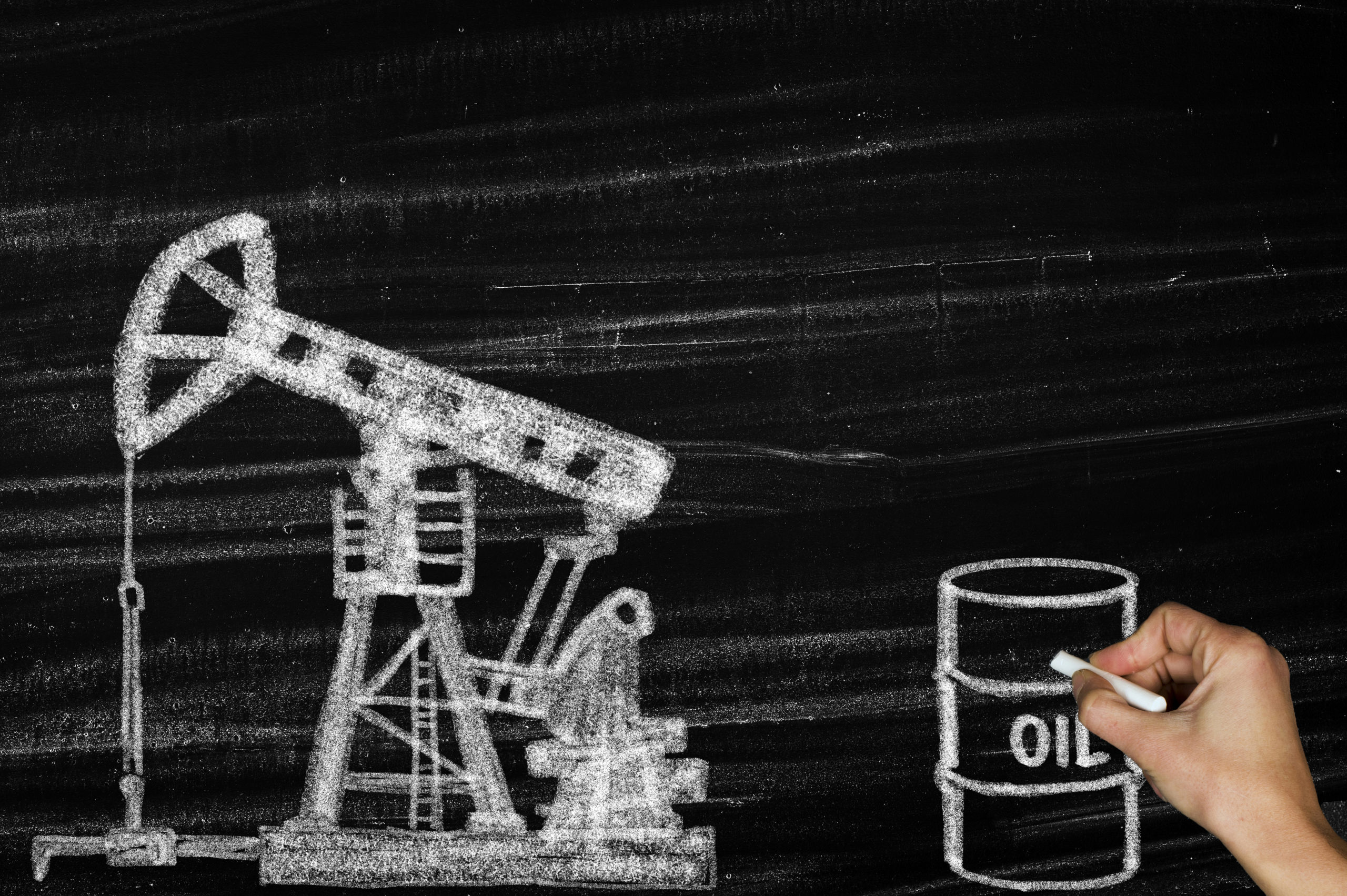
Investing in oil and gas has always been a debate over a simple yes or no answer. The industry is placed where global economics, geopolitics, environmental issues, and technological changes meet. The trend of renewable energy has not affected much of the demand for oil and gas in the areas of global energy security, transportation, manufacturing, and economic stability, which are still reliant on the latter.
For investors, this situation is like a paradox: The sector provides long-term importance and cash-producing capacity, but also brings peculiar risks. It is very important to know the differences between the strong and weak oil and gas companies to make smart, future-proof investment decisions.
The Global Oil and Gas Industry:
The global oil and gas market moderns to a large extent the energy system’s demand, especially in the case of the developing countries. “Global energy demand is set to continue on a strong growth path through 2030 if governments fail to act, with oil, coal and natural gas still dominating the energy mix,” according to the International Energy Agency (IEA).
The USA, Saudi Arabia, Russia, and Canada are the largest producers, while OPEC and other similar groups loosely cooperate on production management and price setting, which greatly influence both the supply side as well as prices.
One of the main factors affecting the market is geopolitical stability. Middle East conflicts, sanctions against Russia’s energy exports, and the economic ties between the major countries all have their impact on supply chains and the confidence of investors. The oil and gas market is global, and even the disruptions in one region can lead to price changes in other regions around the world.
Why Should You Invest in Oil and Gas at All?
Even though prices are going up and down, the oil and gas investment could bring a bit of money, and the investors won’t know about it. The sector has been responsible for providing a good cash flow, inflation protection, and sometimes dividends. The kinds of companies we just mentioned derive, at least, some revenue even when prices are lower, thanks to long-term contracts, different locations, or full-blown operations.
However, oil and gas investments do remain risky. Costs of production and transportation—not to mention government regulations—can all too easily swamp or even erase the value of investments. Therefore, proper choice of companies, and not just simple sector overexposure, becomes key.
Hence, the right choice of companies—as opposed to mere sector exposure— is of utmost importance.
Essential Elements to Appraise While Evaluating Oil and Gas Investments:
Financial Status and Profitability:
The financial strength of a company is usually the most straightforward sign of whether an oil and gas company can survive during hard times and take advantage of the good times. The sturdy and steady companies have the following things in common: disciplined capital allocation, stable cash flow, and manageable debt.
Investors are able to measure and analyze profitability as well as the effectiveness with which a company utilizes its resources through the use of main financial metrics, like EBITDA, Free Cash Flow, and Return on Equity (ROE). Free cash flow, in particular, is a good indicator of whether the company has enough money to fund all of its operations, pay dividends, and invest in the future without having to borrow more than necessary.
That method is visible, for the rest of us to plainly see if a company’s stock is publicly traded, in its annual SEC-Form-10-K filings that detail the business-side risks and challenges a company is up against, as much as it does its financial performance.
Reserve & Resource Base:
An oil and gas company’s strength lies solely in the resources it has under its control. The proved reserves of a company are the factors that determine the length of its production and revenue sustainability.
Generally speaking, companies with big and well-documented reserves in politically stable places are considered lower-risk investments. Investors often look at reserve/replacement ratios to see whether the companies can find or buy enough new resources to make up for what they produce. Reserve information and trends in production are monitored by the U.S. Energy Information Administration (EIA).
Operational Efficiency and Technology:
The efficiency of the operation can either make or break the profit margin. It is especially important for companies in the oil business to do it during the low-price periods. The companies that are able to control their expenses, reduce their idling time and get their projects completed within deadline will most probably be the leading ones in the long run.
The primary force of that change is today’s technology. The oil and gas industry is undergoing a complete transformation, thanks to the technologies of advanced drilling, automation, AI-powered analytics, and predictive maintenance that enables businesses to get more value out of current assets with less risk and reduced environmental impact.
Market Position and Competitive Advantage
The oil and gas companies’ market positions are hard to lose. It might be because of their scope, geographic fit, integrated businesses, or association with the right players. Subtype 2 is braced by upstream, transportation, and refining assets; however, they may be further exposed to market conditions.
The industry’s market positions are sturdy because of the fact that losses in one realm can be recouped by gains in another. Strategic alliances and contracts provide additional stability and predictability to the market.
Environmental, Social, and Governance (ESG) Considerations
ESG plays a very pivotal role in all the aspects stated below:
Growing Influence of ESG Factors
ESG has become an increasingly significant factor for oil and gas investment. Shareholders, institutions and governments have recently started to evaluate companies based on environmental, safety and governance-related factors. Climate policies, carbon prices, and greenhouse-gas emissions will drive down operating costs and determine which projects are approved.
The IEAasserts that environmental regulations will influence the flow of investments in the conventional energy industry for years to come, as the relationship between climate change and investments is inextinguishable.
The Role of Energy Transition in Investment Decisions
Global energy transitions have been embraced by the leading oil and gas companies. A plethora of investments in carbon capture, hydrogen, biofuels, and renewable energy have been made to mitigate the impacts of long-term regulations and diversify the revenue stream of the companies. To stay in the game, most of the world’s international oil companies have invested heavily in low-carbon technologies.
Geopolitical Stability and Regulatory Landscape
The oil and gas industry is strongly influenced by geopolitical regimes. Its supply can be interrupted, and its price index can fluctuate from conflicts among oil-producing regions, sanctions, or changes in trading relationships. Sino-U.S.-Middle East relations, sanctions on Russian exports, and Asia’s energy needs remain at the forefront of the market structure.
The International Monetary Fund (IMF) has shown the impact of geopolitical risks on global energy. According to the IMF, it regularly studies risks associated with geopolitics to calculate the risk premiums for investors of crude oil.

The Role of Government Regulations and Incentives
Government actions dictate the geographical and operational span of businesses. Tax systems, ecological parameters, and quotas on production all influence the bottom line.
Investment becomes influenced in the long term through OPEC production quotas, national tax systems, and worldwide climate treaties, such as the Paris Agreement.
The Influence of Commodity Price Fluctuations
The Paris Agreement aims to regulate greenhouse-gas emissions and establish global climate goals, leading to a decrease in energy consumption and a more-efficient allocation of available energy resources.
Fluctuations in the Price of Oil
Revenue, margins, and economic confidence hinge on the price of oil. Additionally, the supply-and-demand equilibrium, economic development, OPEC, and political activities influence the oil price and margins as well.
The EIA publishes, on a regular basis, an in-depth market analysis and makes oil-pricing predictions on its website.
Emerging Trends and the Future of Oil and Gas Investments
The use of new technologies, such as artificial intelligence and machine learning, as well as the use of new Internet of Things sensor technologies and “digital twins,” is changing the way business is conducted. Downstream and upstream value-chain decision-making and analytics are improved through real-time data. Predictive maintenance enhances operational efficiency.
The Role of Mergers and Acquisitions in Shaping the Future
In the world today, all businesses must have scale, efficiency, and accessibility to prime, high-quality assets. Mergers and acquisitions are prevalent across the competitive landscape. Utilizing upstream assets, Chevron’s 2020 acquisition of Noble Energy is a classic case.
Chevron acquired Noble Energy for $13B so it could secure valuable assets at a low price during a crisis, after it wasn’t able to acquire Anadarko Petroleum. The Chevron-Noble Energy merger was viewed as a disciplined, bargain-hunting action for Chevron, strengthening its position in critical, high-growth basins.
Conclusion
The sector’s key players have a combination of exceptional operational efficiency, solid financial discipline, credible and authentic geography/ESG diversification, along with adequate and accessible quality reserves. As a result, they maximize and optimize value creation across every market cycle.
Investors should consider the balanced investment strategy, which includes both conventional oil and gas companies and the ones that are adapting to the current energy transition. Investors should rely on diversification, due diligence, and the integrated approach; this focuses on both conventional oil and gas companies plus the ones that are adapting to the energy transition. This will provide stability while enabling continued evolution of the energy sector.
Acronym list
EIA: Energy Information Administration
IEA: International Energy Agency
IMF: International Monetary Fund
ESG: Environmental, Social, and Governance
OPEC: Organization of the Petroleum Exporting Countries