Skip to content

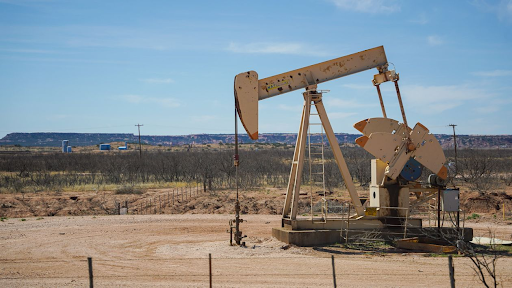
Texas has long been associated with oil and gas, yet its role in the modern energy market reaches far beyond its history. The state combines prolific basins, established infrastructure, experienced operators, and access to major domestic and international markets. For investors, that concentration can create a deeper pool of opportunities across exploration, production, minerals, midstream assets, and private energy partnerships.
The appeal is not based on one factor apart from being a tax advantaged state for oil investment. The energy investors in Texas not only get the physical resources needed to produce oil and natural gas, but alongside that the commercial network needed to move, process, store, and sell those resources. This creates an environment where capital can support projects with a clearer path from the wellhead to the end market.
Still, location alone does not determine the quality of an investment. Investors need to assess the asset, the operator, the cost structure, and the terms of the offering. Texas provides scale and access. It does not remove commodity-price or operating risk.
A Strong Resource Base Supports Energy Investment
Texas anchors U.S. oil and natural gas production, and its resource base proves it: the Permian Basin in West Texas, the Eagle Ford Shale in South Texas, the Haynesville near the eastern border, and mature conventional fields across the state.
The Permian’s edge comes down to depth, not breadth, with multiple productive formations packed into the same broad region. Operators can often develop several targets from a shared area, which may improve planning and reduce certain surface or infrastructure costs. Production from the Permian has also contributed significantly to broader U.S. oil growth.
A current Texas energy profile gives useful context for the state’s position in crude oil, natural gas, wind power, and refining. For energy investors, this scale matters because a large producing region can support more service providers, buyers, pipeline connections, and transaction activity.
The strongest opportunities still depend on project-level facts. A well in a well-known basin may underperform if drilling costs are high, acreage quality is weak, or the operator lacks discipline.
Energy Investors in Taxes: Infrastructure Support
Producing oil and gas is only part of the business. A project also needs dependable access to gathering systems, pipelines, processing plants, storage, rail networks, terminals, and refineries. Texas has spent decades building this network, and its energy infrastructure remains a major reason investors continue to focus on the state.
Production & Market Routes
In practical terms, infrastructure can affect realized prices and operating costs. A well may have promising production volumes, though its economics can weaken if the operator faces bottlenecks, expensive transportation, or limited processing capacity. Access to established systems can improve an asset’s ability to deliver its product to purchasers.
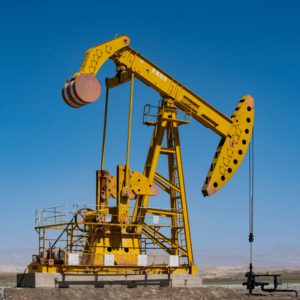
Texas also benefits from Gulf Coast access. Crude oil, natural gas liquids, refined products, and liquefied natural gas can reach both domestic and international markets through the region’s port and export facilities. This broadens the number of potential buyers and connects Texas production to global demand.
Investors should still ask how a project will move its production. A sound offering should identify:
- Existing or planned pipeline connections
- Expected transportation and processing costs
- Any minimum-volume commitments
- The market used to price the commodity
- Risks of regional price differentials
A Deep Operating Ecosystem Can Improve Execution
Texas has a large concentration of energy companies, field-service providers, engineers, land professionals, geologists, accountants, and legal advisors. Houston, Dallas, Midland, Odessa, and Corpus Christi each play different roles within the broader energy economy.
This concentration can support execution. Operators may have access to specialized equipment, local labor, technical knowledge, and established commercial relationships. It can also make it easier for investors to find information about comparable activity, service costs, nearby production, and regional market conditions.
A mature operating ecosystem does not guarantee better results. It does, however, give experienced sponsors more tools to manage development. An operator with strong relationships and a history in the basin may be better positioned to plan drilling schedules, negotiate services, and respond to operational issues.
Questions to Consider Before Investing In the Oil Sector?
When reviewing a Texas opportunity, investors should look beyond the state name and consider the sponsor’s record in that specific area. Useful questions include:
- Has the operator developed similar wells?
- Does the team have local technical experience?
- Are projected costs supported by recent activity?
- How much debt does the project carry?
- What happens if drilling takes longer than expected?
Accessible Data Supports Better Due Diligence
Texas also stands out because of the amount of oil and gas information available to the public. Production records, well histories, drilling permits, and regulatory filings can help investors and analysts evaluate an area with greater detail.
The Texas oil and gas production database offers useful information on reported production by field, district, and county. Those records can help investors compare an operator’s assumptions against nearby well performance, although they should never replace a qualified engineering review.
Historical data is especially helpful when evaluating production forecasts. A sponsor may project a certain initial rate or decline curve, yet nearby wells can show whether those assumptions appear conservative or aggressive. Investors should also distinguish between early production results and the full productive life of a well.
Data should be treated as a starting point for diligence. The geology, completion design, spacing, ownership terms, and market conditions may differ from one project to another.
Energy Exposure For Energy Investors in Taxes
Texas attracts capital across more than direct drilling programs. Investors may gain exposure through mineral and royalty interests, working interests, private funds, midstream projects, publicly traded companies, or energy-focused real estate and services businesses.
Each structure has a different risk profile. A royalty interest may provide a share of production revenue without direct responsibility for well-level operating costs. A working interest can provide more direct participation, though the investor may share in drilling and operating expenses. A private partnership may distribute available cash, but those payments can decline when production or commodity prices weaken.

Private opportunities deserve close review. Private oil and gas offerings may have limited liquidity and less public disclosure than listed securities. Investors should read the offering documents carefully and understand how the sponsor is compensated.
Before committing capital, investors should review the ownership structure, projected expenses, pricing assumptions, reserve information, and expected reporting schedule. A tax advisor can also explain how the investment may affect an individual return.
Conclusion
Texas has developed a business environment that is familiar with the needs of energy operators. Its regulatory system, service markets, legal framework, and commercial talent have evolved alongside the industry. That familiarity can help projects move from lease acquisition through drilling and production with fewer unknowns than in a less-developed energy region.
The state’s lack of individual income tax may also be relevant to a resident investor’s broader financial situation. It does not, however, create a special tax benefit from an oil and gas investment. Federal tax rules, project structure, deductions, and state filing obligations can still affect the final result.
Texas became an energy-investment hub because it combines resource depth with the systems needed to develop and sell those resources. The better opportunity will always come down to the underlying project. Investors who examine the economics, operator quality, and ownership terms can make a more informed decision about whether that opportunity fits their goals.