Skip to content



Ever wondered how oil and gas companies keep finding new ways to reach resources deep underground? The answer is drilling technology. Over the past few decades, drilling technology has changed the game for investors and energy companies alike. In this guide, you’ll discover how the latest innovations are not only making drilling more efficient, but also changing the way people think about investing in oil and gas projects.
The Evolution of Drilling Technology
Drilling for oil used to mean setting up a basic rig and hoping for the best. Today, it’s a whole different story. Early drilling was mostly vertical, which meant companies could only tap into oil reserves sitting right beneath the well. If you missed, you moved the rig and tried again. Now, thanks to new drilling technology, companies can steer the drill bit horizontally or even curve it underground. This approach, called directional drilling, lets companies reach more oil with fewer wells.
Directional drilling opened up a world of possibilities. For instance, suppose oil is trapped in a thin layer of rock that stretches for miles. Vertical drilling would only reach a small part of it. But with directional drilling, companies can follow the layer sideways and pull oil from a much bigger area, all from a single starting point. This means less surface disruption and a bigger payoff from every well.
Directional drilling isn’t the only breakthrough. Hydraulic fracturing (often called fracking) changed the landscape even further. Fracking involves injecting fluid at high pressure to crack underground rocks, releasing oil and gas that were locked inside. These two advances together have unlocked huge reserves in places like Texas, Oklahoma, and North Dakota. For investors, this means more opportunities, and less guesswork, when it comes to oil and gas projects.
The technology doesn’t stop there. Drilling rigs themselves have gotten smarter and faster. Modern rigs are often modular, so they can be set up and moved quickly. Many use computer controls to keep the drill bit exactly where it needs to be, even thousands of feet below the surface. This reduces errors and helps drillers reach their targets more reliably.
How Modern Drilling Technology Reduces Risk
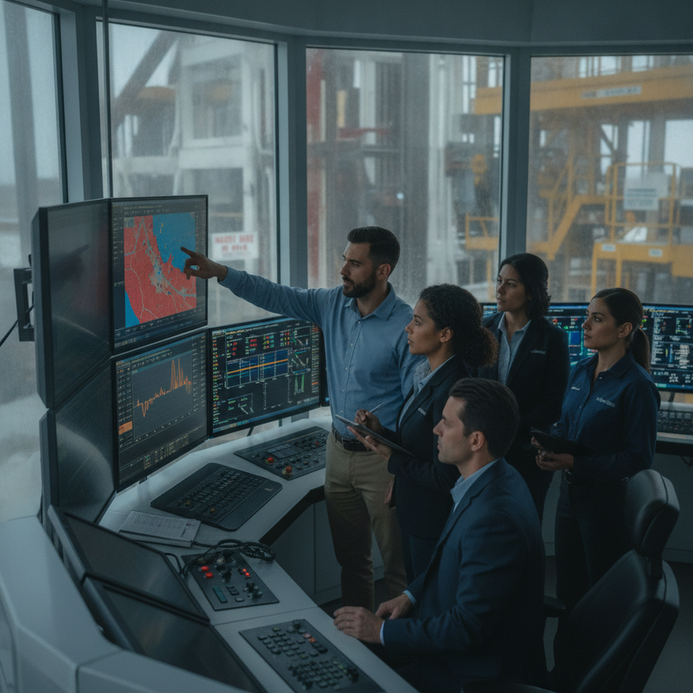
Risk is always on an investor’s mind. The good news is that drilling technology is making oil and gas exploration less risky than ever before. With advanced sensors and real-time data, drilling teams can spot problems before they turn into costly setbacks. For example, modern rigs use digital monitoring to keep an eye on pressure, temperature, and even the angle of the drill.
Imagine a car dashboard but for a drilling rig. Engineers can watch dozens of measurements at once, from the weight on the drill bit to the speed of the mud flowing through the well. If something starts to go wrong, like a sudden change in pressure, they can react right away, sometimes by adjusting the drilling speed or pausing the operation. That means fewer blowouts, spills, or equipment failures.
This isn’t just about avoiding dry wells. Drilling technology also helps operators drill faster and with more precision. For example, Measurement While Drilling (MWD) tools send data up from the drill bit as it moves, showing exactly what kind of rock is being drilled and whether oil or gas is present. The result? Fewer delays and more predictable project timelines. When you know a project will stay on schedule, it’s easier to forecast returns and make smart investment decisions.
There’s also a safety benefit. Automated pipe handling systems reduce the need for workers to manually move heavy equipment. This cuts down on accidents and injuries, which can lead to costly shutdowns. For investors, a safer operation means less risk of project delays and liabilities.
The Financial Impact: Lower Costs, Higher Returns
Let’s talk dollars and cents. Improved drilling technology means it takes less time and money to drill each well. In the past, it might take months to drill a single well. Now, with automated systems and better equipment, many wells are completed in just a few weeks.
Here’s why that matters: Lower drilling costs mean more of the revenue from oil sales goes back to investors. Plus, companies can afford to drill in places that used to be too expensive or risky. This opens the door to new projects and helps balance out swings in oil prices. Investors see more consistent returns and less exposure to big losses.
Take pad drilling as a real-world example. Instead of moving the rig for every new well, companies can drill multiple wells from a single pad. This saves money on setup, reduces transportation costs, and makes it easier to manage equipment. In the Permian Basin, this approach has helped companies bring dozens of wells online in a fraction of the time it once took.
Drilling faster also means companies can respond to changing oil prices more quickly. If prices rise, they can ramp up production. If prices drop, they can pause drilling without being stuck in the middle of a long, expensive project. This flexibility helps protect investor returns, even when the market is volatile.
Environmental Improvements Driven by Drilling Technology
Worried about the environment? You’re not alone. The oil and gas industry faces growing pressure to reduce its impact on land and water. Drilling technology is stepping up here, too. New rigs are designed to use less water and produce less waste. Some even run on cleaner fuels or electricity, cutting down on air pollution.
Operators now use closed-loop systems to recycle drilling fluids. This means fewer spills and less risk to nearby ecosystems. In addition, horizontal drilling allows companies to tap into large reserves from a single location, so there’s less need to clear and disturb land for multiple wells. For investors, these improvements reduce the risk of costly environmental fines or public backlash down the road.
Another important improvement is the use of advanced well-casing and cementing techniques. These measures keep well contents from leaking into surrounding soil and groundwater. For example, in places with strict water regulations, companies use multiple layers of steel pipe and concrete to create a strong barrier. This protects both the environment and the operator’s reputation.
Some rigs now use natural gas or hybrid power systems instead of diesel generators, cutting greenhouse gas emissions. In sensitive areas, companies use smaller rigs and lighter footprints to avoid disrupting wildlife. These steps aren’t just good for the planet, they help companies earn community trust and avoid conflicts that could threaten projects.
Digital Tools and Data: Making Smarter Investment Choices
Data is the new oil, or so people say. When it comes to drilling technology, digital tools are turning mountains of data into actionable insights. Rigs are now equipped with sensors that feed information back to engineers in real time. This lets teams adjust drilling plans on the fly, avoiding hazards and making the most of every well.
For investors, this data means more transparency. You can track how a project is doing, almost as it happens. This helps you spot trends, make better predictions, and decide where to put your money. Imagine being able to see a live feed of drilling progress before deciding to invest. That’s not science fiction, it’s happening today.
But it goes beyond just watching progress. Companies now use predictive analytics to figure out where drilling is most likely to succeed. By studying geological data, past performance, and even weather patterns, they can pick the best spots and times to drill. This reduces wasted effort and increases the odds of hitting productive wells.
Cloud-based platforms let investors and partners access reports, maps, and key performance indicators from anywhere. Instead of waiting for quarterly updates, you can get a snapshot of well output or project status at any time. That kind of insight helps you make confident, data-driven decisions.
What Drilling Technology Means for the Future of Oil and Gas Investments
So, where do we go from here? Drilling technology will only get smarter. Artificial intelligence and machine learning are starting to play a role, helping companies predict the best places to drill and the most efficient ways to extract oil. Automation is making rigs safer and less reliant on large crews.
As these technologies mature, the barriers to entry for new projects may drop even further. Smaller companies can compete with industry giants. That means more choices for investors, and more opportunities to diversify your portfolio.
There’s also a shift toward integrating renewable technologies and carbon capture with traditional drilling operations. For example, some rigs are experimenting with using wind or solar power to run equipment. Others are testing ways to capture carbon emissions right at the wellhead. These innovations could open up new types of energy investments that blend stability with sustainability.
Another trend to watch is the rise of digital twins, virtual models of drilling operations. Engineers can simulate different scenarios, test new ideas, and spot problems before they happen. This approach, borrowed from industries like aerospace, helps companies fine-tune their drilling plans and save money. For investors, digital twins mean projects are more likely to hit their targets and avoid surprises.
Finally, expect to see more partnerships between oil and gas companies and tech firms. As drilling becomes more like high-tech manufacturing, companies need experts in robotics, artificial intelligence, and software development. These partnerships could lead to faster innovation and more investment opportunities in both energy and tech sectors.
Real-World Examples of Drilling Technology in Action
Let’s look at a few practical examples. In the Permian Basin of Texas, companies use horizontal drilling to access multiple layers of oil-rich rock from a single well pad. This approach has turned the region into one of the world’s top oil producers. By drilling sideways as well as down, companies access more resources without disturbing new land for each well. The result is higher production with a smaller environmental footprint.