Skip to content



Energy innovation is transforming the way we power our lives, from the lights in our homes to the factories that make everything we use. For accredited investors, keeping up with these changes is more than just a curiosity, it’s a key part of making smart investment decisions. In this post, you’ll discover the most important breakthroughs in energy innovation, what’s driving them, and how these trends could shape your investment opportunities now and in the future.
Why Energy Innovation Matters for Investors

Energy is more than just another sector, it’s the backbone of the entire global economy. Every major shift in how we generate, store, move, or use energy has the power to create entirely new markets or disrupt established ones. Energy innovation means new technologies and processes that make energy cleaner, more efficient, or more affordable. You might think of solar panels on rooftops, but it also includes things like advanced batteries, smarter power grids, and ways to use less energy in the first place.
Why does this matter for investors? Because when you invest in energy, you’re not just choosing between oil wells or wind farms. You’re betting on which companies will adapt quickest to new trends, and which technologies will become tomorrow’s standard. Governments pushing for lower emissions, consumers wanting cheaper and cleaner power, and rising global demand all mean energy innovation is front and center in today’s investment landscape.
Take, for example, the shift to electric vehicles. Ten years ago, electric cars were rare. Today, they’re everywhere, and the companies leading that change have seen their values soar. The same could happen with new battery technologies or next-generation fuels. Investors who spot these shifts early can benefit the most.
Key Trends in Energy Production
How we produce energy is changing rapidly. While traditional oil and gas are still major players, new technologies are shaking up the industry, creating fresh opportunities and challenges.
Advances in Oil and Gas
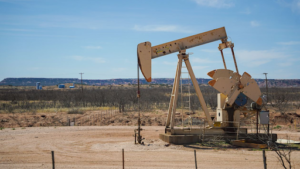
Oil and gas companies are undergoing their own tech revolution. They’re using digital tools like 3D seismic imaging and artificial intelligence to find oil and gas reserves that used to be invisible. For example, companies now use satellite data and machine learning to predict where oil might be hiding underground. This cuts down on expensive dry wells and makes drilling safer and cheaper.
Automation has also come a long way. Drilling rigs can now operate with fewer people, using robots for tasks that are dangerous or repetitive. Some offshore rigs are even managed remotely, allowing experts to oversee operations from miles away. These changes mean the oil and gas industry can stay competitive even as costs rise and regulations tighten.
But innovation isn’t just about finding more oil, it’s also about finding new ways to use what we already have. Enhanced oil recovery methods, which use gases or chemicals to squeeze more oil from old wells, are giving new life to fields once thought depleted. This combination of digital tools and smarter extraction methods helps traditional energy adapt to a changing world.
Renewable Energy Growth
Renewable energy is no longer a niche market, it’s booming. Solar, wind, and hydro power are growing faster than ever, thanks to falling costs, supportive policies, and new technology. For instance, the price of solar panels has dropped by more than 80% in the last decade, making solar power affordable for homes and businesses alike.
Wind power has also spread quickly. Modern wind turbines are taller, more efficient, and can generate power even when winds are light. Offshore wind farms, which place turbines in the ocean, are opening up huge new sources of clean energy. Some companies are even using floating turbines to reach deeper waters.
Interestingly, some traditional energy companies are investing in renewables, blending old and new energy production. For example, oil companies are building solar farms to power their own operations, or investing in wind farms to diversify their portfolios. This mix helps them manage risk and stay profitable as the world moves toward cleaner energy.
The Rise of Energy Storage and Smart Grids
Producing clean energy is just part of the story. Storing it and delivering it efficiently is just as important, especially as more renewable sources come online. After all, the sun doesn’t shine at night and the wind isn’t always blowing.
Battery Technology
Battery technology is advancing at a breakneck pace. Lithium-ion batteries, the kind found in smartphones and electric cars, are getting better and more affordable every year. But that’s only the beginning. Companies are racing to develop new types of batteries that last longer, charge faster, and use cheaper materials.
Take grid-scale battery storage, for example. In places like California and Australia, giant battery systems store excess solar or wind power during the day and release it at night. This helps smooth out the ups and downs of renewable energy, making the grid more reliable. Some companies are experimenting with other storage options, like flow batteries and compressed air, which could offer even bigger breakthroughs in the future.
For investors, these advances mean more dependable energy systems and the chance to invest in the companies building the next generation of storage solutions. Battery makers, raw material suppliers, and companies designing smart software to manage energy flow are all worth watching.
Smart Grids
A smart grid is like a brain for the entire energy system. It uses sensors, software, and real-time communication to balance supply and demand instantly. Imagine a neighborhood where your house automatically lowers its energy use when power is expensive, then ramps back up when prices drop. Or a factory that sells its extra solar power back to the grid during a sunny afternoon.
Smart grids also make it possible to handle more renewable energy, which is naturally variable. With smart meters and connected devices, utilities can spot outages or overloads before they become big problems. This means fewer blackouts and better service for everyone.
For investors, companies working on smart grid technology, like software developers, sensor makers, and utility companies adopting these systems, offer new ways to tap into the energy transition.
Carbon Capture, Utilization, and Storage (CCUS)
Cutting carbon emissions is a major priority for governments and businesses worldwide. Carbon capture, utilization, and storage (CCUS) technologies are designed to trap carbon dioxide from factories, power plants, or even directly from the air, stopping it from entering the atmosphere.
What’s Driving CCUS?
Many countries are setting tough emission targets, and companies that can cut their emissions have a clear advantage. Governments are offering tax credits, grants, and other incentives to encourage CCUS adoption. For instance, in the United States, recent tax changes have made it much more profitable to invest in carbon capture projects.
CCUS isn’t just about burying carbon underground. Some companies are turning captured carbon into useful products, like building blocks or synthetic fuels. For example, captured carbon can be combined with hydrogen to create clean fuels for airplanes or trucks. Others are using it to make stronger concrete, reducing the need for cement, which itself is a big source of emissions.
Investors can look for opportunities in companies developing new capture techniques, transportation solutions, or ways to use captured carbon in products. Oil and gas firms are also using CCUS to extend the life of old fields, injecting carbon deep underground to force out more oil while storing the carbon permanently.
Digitalization and Data in the Energy Sector
Ever wondered how energy companies make the right call on billion-dollar projects? Increasingly, it comes down to data, lots of it. The energy sector is using sensors, big data, and artificial intelligence (AI) to operate smarter, safer, and more efficiently.
Data-Driven Decision Making
Sensors can track everything from the pressure inside a pipeline to the weather around a wind farm. This data gets crunched by advanced software, helping companies forecast demand, spot equipment problems before they cause shutdowns, and schedule maintenance when it’s needed rather than on a fixed timetable.
For example, drones now inspect wind turbines and solar panels for damage, sending real-time images back to engineers who can spot issues early. AI systems can analyze years of operational data to predict when a piece of equipment is likely to fail, helping companies avoid costly downtime. These digital tools mean companies can respond faster to market changes and run more efficiently.
For investors, companies that embrace digital innovation often have a leg up on the competition. They can cut costs, boost safety, and adapt quickly when things change. Look for energy firms investing in digital platforms, advanced analytics, and automation as part of their long-term strategies.
Policy, Regulation, and Market Incentives
No discussion of energy innovation would be complete without considering how rules and regulations shape the market. Governments around the world are pushing for cleaner, smarter energy systems through policies and incentives.
How Policy Shapes Opportunity
For investors, understanding the policy landscape is crucial. In many cases, a single new regulation can turn a struggling technology into a winning investment. For example, when the United States increased tax credits for carbon capture, it unlocked a surge of new projects and investor interest.
Government incentives can take many forms. Tax breaks, direct grants, and guaranteed power purchase agreements all help reduce risk and boost returns for new technologies. Stricter pollution limits can also make older, dirtier technologies less competitive, speeding up the shift to cleaner options.
International agreements, like the Paris Agreement, are also shaping the energy landscape. These deals encourage countries to reduce emissions and invest in innovation, creating global demand for new solutions. Investors who keep a close eye on policy changes, both at home and abroad, can spot new opportunities before they hit the mainstream.